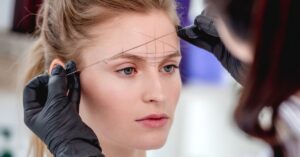
Microblading offers a long-lasting way to achieve fuller, more defined eyebrows without relying on daily makeup. Many people choose this semi-permanent treatment because it creates natural-looking hair strokes that enhance facial features while reducing time spent on their beauty routine. However, one of the most common questions people ask before scheduling an appointment is how long microblading actually lasts.
The answer depends on several factors, including skin type, lifestyle, aftercare, and the quality of the initial procedure. While microblading provides impressive longevity, it does not last forever. Regular touch-ups play a vital role in maintaining crisp, even brows that continue to look their best over time.
Understanding the expected lifespan of microblading and the purpose of maintenance appointments helps you make informed decisions and protect your investment.
What Is Microblading?
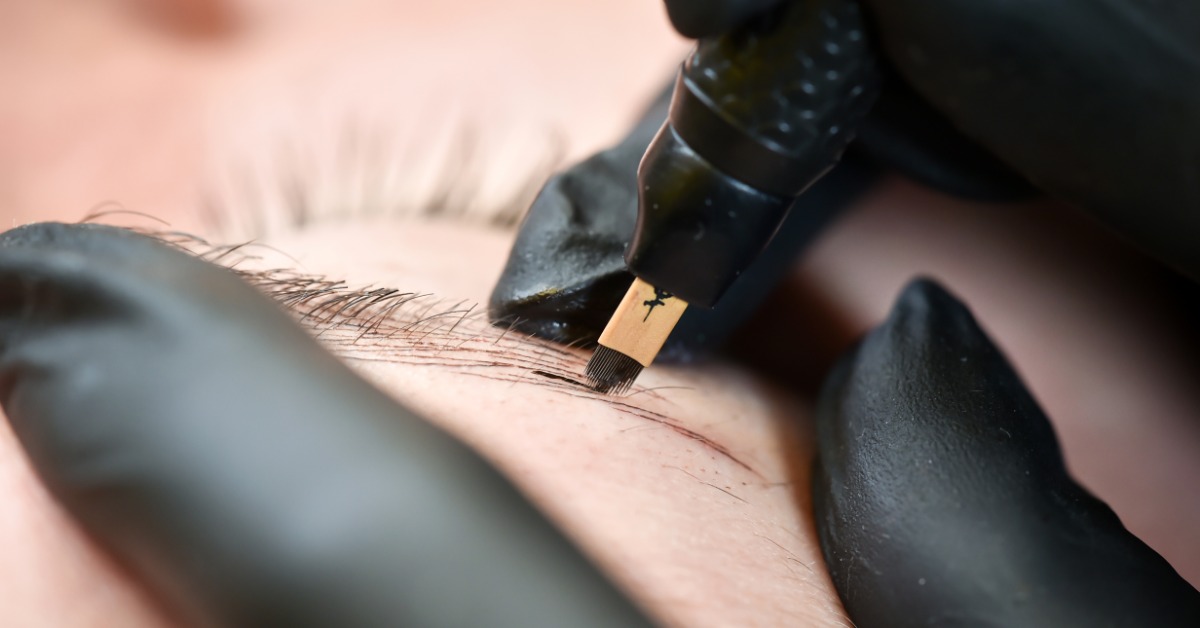
Microblading is a semi-permanent cosmetic procedure that enhances the appearance of eyebrows using fine, hair-like pigment strokes. A trained artist uses a handheld tool with ultra-fine needles to deposit pigment into the upper layers of the skin, creating realistic strokes that blend with natural brow hairs.
Unlike traditional eyebrow tattoos, microblading uses specialized pigments and techniques designed to fade gradually over time. This controlled fading allows artists to adjust the shape, color, and density during future appointments as facial features and personal preferences evolve.
How Long Does Microblading Typically Last?
Most microblading results last between 12 and 24 months. Some clients notice fading closer to one year, while others maintain visible pigment for nearly two years before requiring a refresh.
Several factors determine how long your results remain vibrant. Oily skin tends to fade pigment more quickly because increased oil production pushes pigment from the skin more rapidly. Dry or normal skin often retains crisp strokes for a longer period.
Even when pigment remains visible after two years, the color usually softens and loses the sharp definition that makes freshly healed brows look so natural.
Why Does Microblading Fade?
Microblading fades because the body naturally breaks down pigment over time. The immune system gradually processes the pigment particles while normal skin regeneration continuously replaces the outer skin layers.
Sun exposure also contributes to fading. Ultraviolet rays break down pigment molecules, causing eyebrows to lighten faster than expected.
Additional factors that influence fading include:
- Skin type
- Skincare products containing retinol or acids
- Chemical peels and exfoliation
- Frequent swimming
- Excessive sweating
- Individual immune response
- Overall aftercare habits
Every person’s skin responds differently, so no two clients experience identical fading patterns.
Why Are Touch-Ups So Important?
Touch-ups restore color, sharpen hair strokes, and keep brows looking balanced. Since microblading naturally fades, maintenance appointments help preserve the original design without starting over from scratch.
Pigment often fades unevenly. Some areas retain color better than others due to differences in skin texture, healing, or natural oil production. A touch-up allows your artist to refresh lighter sections while maintaining symmetry across both brows.
Regular maintenance also prevents brows from fading so much that a completely new procedure becomes necessary.
What Happens During the Initial Touch-Up?
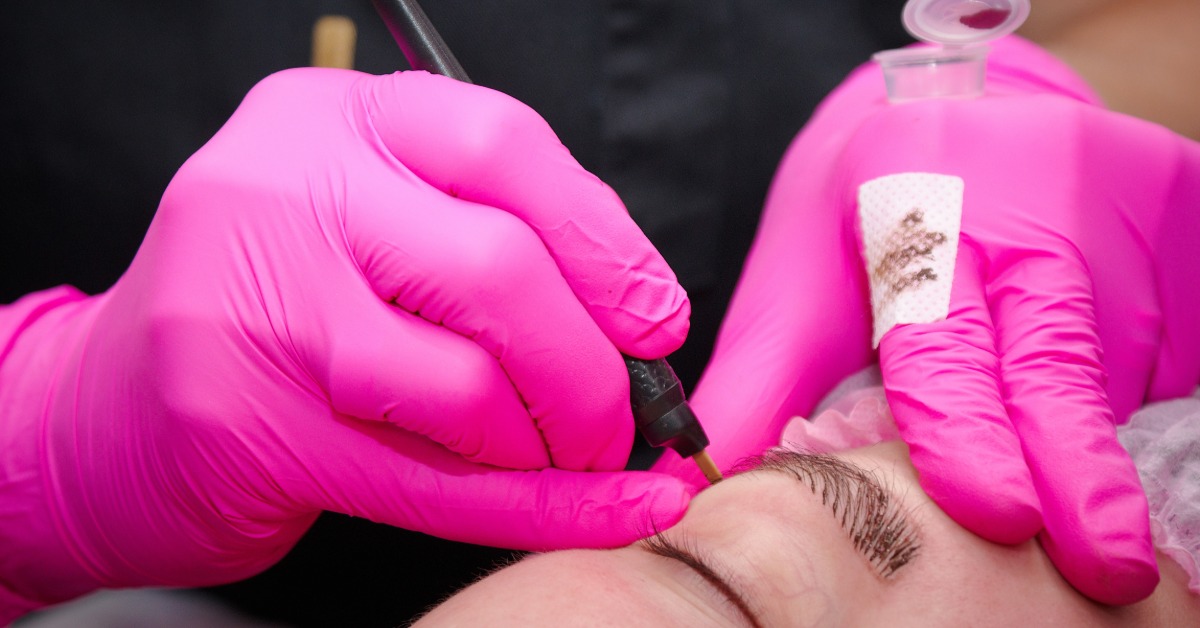
The first touch-up usually takes place six to eight weeks after the original appointment. This session serves as part of the complete microblading process rather than optional maintenance.
During healing, some pigment naturally lifts from the skin. Small gaps may appear, certain strokes may soften, and color may heal lighter than expected.
At the follow-up appointment, your artist evaluates the healed results and makes adjustments by:
- Reinforcing faded strokes
- Perfecting the shape
- Deepening pigment if necessary
- Correcting minor inconsistencies
- Improving overall balance
This appointment ensures the final healed results meet expectations.
When Should You Schedule Future Maintenance?
After the initial perfection appointment, most clients benefit from annual maintenance.
Scheduling a touch-up before significant fading occurs usually produces the best results. Annual refresh appointments require less work because enough pigment remains to preserve the original design.
Waiting several years often allows the pigment to disappear almost completely, requiring a full new microblading procedure instead of a simple color refresh.
Many artists recommend evaluating your brows around the 12-month mark to determine whether maintenance would improve their appearance.
Does Skin Type Affect Longevity?
Yes. Skin type ranks among the biggest factors affecting how long microblading lasts.
Dry skin generally produces the longest-lasting results because pigment remains more stable within the skin.
Combination skin often heals well while maintaining relatively crisp strokes.
Oily skin presents more challenges. Excess oil softens individual hair strokes faster, making brows appear less defined over time. People with oily skin may benefit from more frequent maintenance appointments to preserve detail.
An experienced artist adjusts technique based on each client’s skin characteristics to maximize longevity.
How Does Aftercare Influence Results?
Following aftercare instructions directly impacts both healing and pigment retention.
Proper aftercare protects the newly implanted pigment during the critical healing period. Picking scabs, scratching brows, or exposing healing skin to excessive moisture can remove pigment before it settles properly.
Clients typically receive instructions to avoid:
- Swimming pools
- Saunas
- Heavy sweating
- Direct sun exposure
- Makeup on the treated area
- Harsh skincare products
Long-term care matters as well. Applying sunscreen around the eyebrows and avoiding aggressive exfoliation helps preserve color between appointments.
Why Professional Technique Makes a Difference
The experience and training of your artist influence how well microblading ages.
Proper depth ensures pigment remains visible while preventing excessive trauma. Pigment placed too shallow fades quickly, while pigment implanted too deeply may blur over time.
Careful consultation also contributes to long-lasting results. Techniques such as brow mapping microblading help create balanced, symmetrical brows that complement each client’s facial structure before pigment placement begins.
Choosing a licensed, experienced professional reduces the likelihood of uneven fading, poor shape retention, or disappointing results.
Can Lifestyle Affect How Long Microblading Lasts?
Lifestyle habits often determine how quickly pigment fades.
People who spend significant time outdoors receive more UV exposure, which accelerates pigment breakdown. Frequent swimming exposes brows to chlorine and saltwater, both of which contribute to fading over time.
Individuals who exercise intensely every day may experience faster pigment loss because repeated sweating increases skin turnover.
Certain skincare routines also shorten microblading longevity. Products containing retinoids, glycolic acid, salicylic acid, or other exfoliating ingredients encourage faster cell renewal, causing pigment to fade more rapidly.
Small adjustments to daily habits often help extend the life of your brows.
What Are the Signs It’s Time for a Touch-Up?
Your eyebrows usually provide clear signs that maintenance would improve their appearance.
You may notice:
- Hair strokes appear softer than before.
- Color looks lighter or uneven.
- Small gaps become visible.
- The overall shape loses definition.
- Brows require more makeup to achieve your desired look.
Scheduling maintenance when these changes first become noticeable helps preserve a consistently polished appearance.
Is It Better to Wait Until Microblading Completely Fades?
Many people assume they should wait until all pigment disappears before booking another appointment, but that approach often creates more work.
Maintaining brows before complete fading allows your artist to build upon the existing design. The original shape remains visible, making it easier to refresh color and restore definition.
Allowing pigment to disappear entirely frequently requires a full consultation, complete remapping, and a more extensive procedure.
Routine maintenance generally saves both time and effort while helping your brows remain consistently attractive.
Enjoy Beautiful Brows for Years With Proper Maintenance
Microblading delivers long-lasting, natural-looking eyebrows, but regular maintenance keeps those results looking fresh. Most clients enjoy beautiful brows for 12 to 24 months before needing a refresh, although skin type, lifestyle, and aftercare influence individual longevity.
Touch-ups protect your investment by restoring color, reinforcing hair strokes, and maintaining symmetry before excessive fading occurs. Working with a skilled artist, following proper aftercare instructions, and scheduling maintenance at appropriate intervals all contribute to consistently beautiful results.
With realistic expectations and routine touch-ups, microblading remains one of the most effective ways to enjoy fuller, beautifully defined eyebrows every day.