Permanent makeup offers long-lasting beauty enhancements that can save time and simplify daily routines, but the quality of the results depends heavily on the skill of the artist performing the procedure. Choosing a certified permanent makeup professional helps protect your safety, improve your overall experience, and support better long-term results. From proper sanitation practices to advanced pigment knowledge, certified artists bring valuable training and technical expertise to every appointment.
Understanding why certification matters can help clients make informed decisions before investing in cosmetic tattoo services like microblading, lip blush, permanent eyeliner, and scalp micropigmentation.
Certification Protects Your Health and Safety
Permanent makeup involves needles, pigments, and direct contact with the skin. Because of that, safety should always come first. A certified permanent makeup artist understands sanitation protocols, cross-contamination prevention, and proper sterilization techniques. Certification programs teach artists how to maintain a clean environment and reduce unnecessary risks during every procedure.
Clients trust certified professionals because they follow industry standards instead of guessing through the process. Training also helps artists recognize skin conditions, allergies, and contraindications before treatment begins. That knowledge protects clients from avoidable complications and supports better healing afterward.
A poorly trained technician can create uneven results, infections, or long-term skin damage. Certification helps reduce those risks and gives clients more confidence before booking a procedure.
Certified Artists Understand Facial Structure
Permanent makeup requires more than artistic ability. Every face has unique proportions, muscle movement, and skin texture. Certified artists study facial anatomy so they can create balanced, flattering results that enhance natural features.
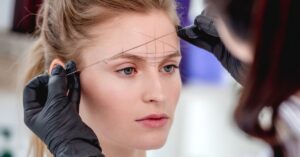
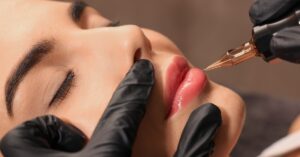
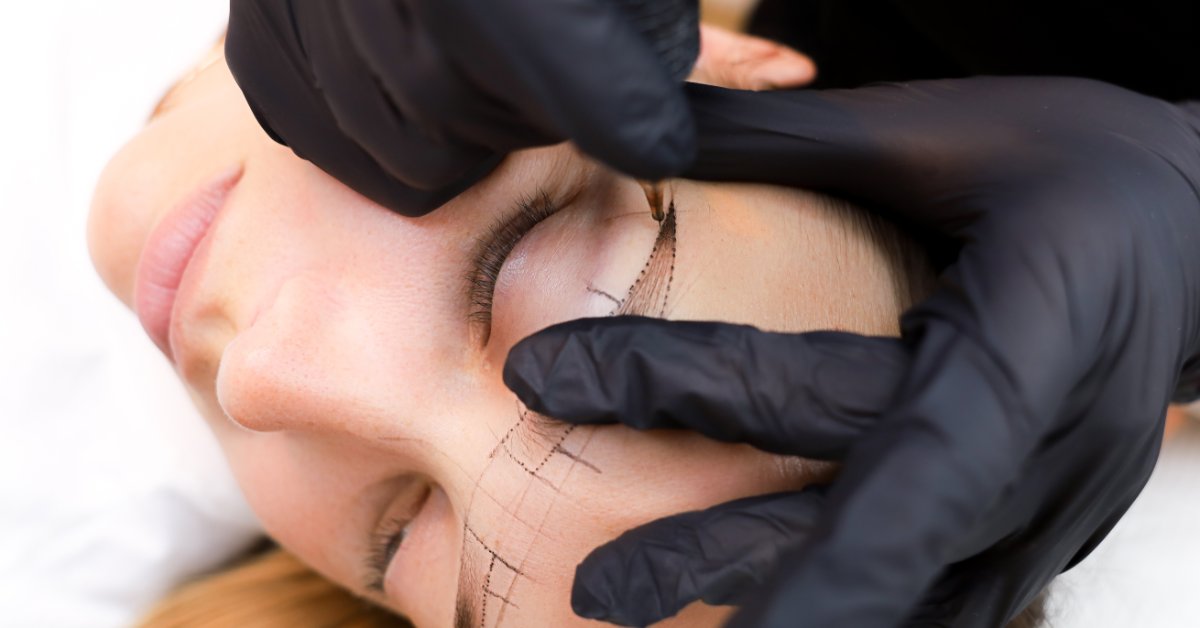
Eyebrows, eyeliner, and lip blush treatments require careful mapping and symmetry. An experienced certified artist evaluates face shape, bone structure, and natural expressions before beginning any service. That approach creates results that complement the client instead of overpowering their appearance.
Artists without formal training often rely on trends rather than facial harmony. Certification helps professionals develop technical precision and stronger aesthetic judgment.
Training Improves Pigment Knowledge
Pigment selection affects long-term results more than many clients realize. Certified artists learn color theory, undertones, pigment retention, and how different skin types react during healing.
An artist must understand how pigments fade over time and how they interact with warm, cool, oily, or mature skin. Without that knowledge, results can heal unevenly or shift into undesirable shades.
Certification programs also teach artists how to choose high-quality pigments that meet safety standards. Clients benefit from more predictable results and better color retention after healing.
Proper Training Supports Better Technique
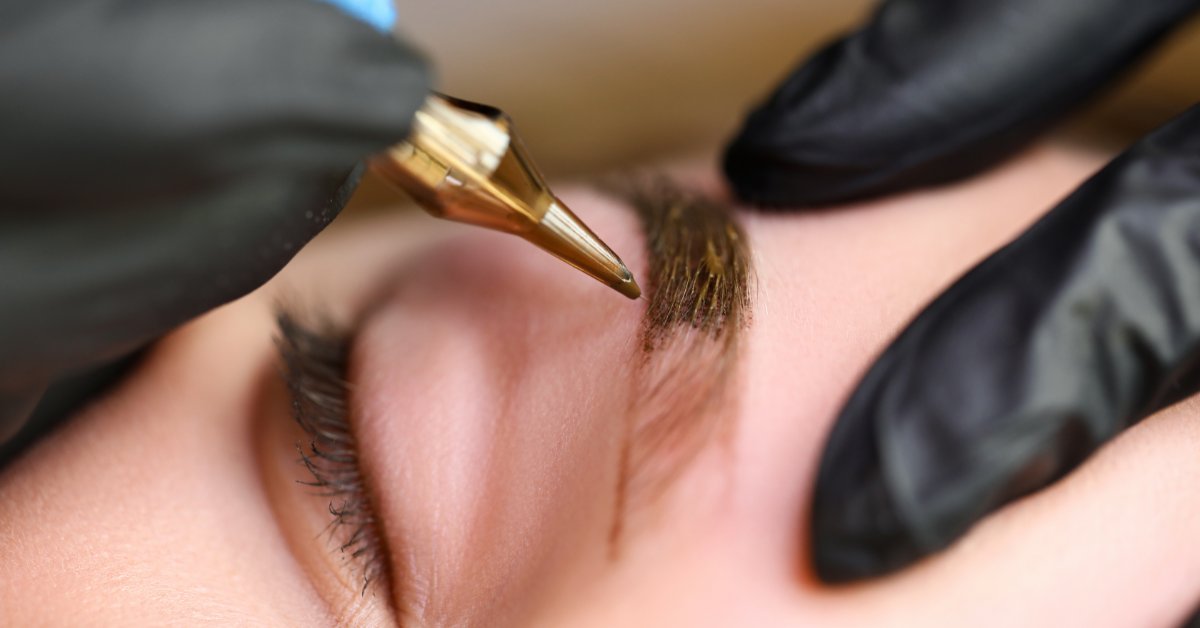
Permanent makeup procedures require controlled pressure, consistent depth, and precise hand movements. Certified professionals spend significant time practicing these technical skills before working independently with clients.
Technique affects nearly every aspect of the procedure, including:
- Pigment retention
- Skin trauma
- Symmetry
- Healing time
- Long-term appearance
Artists who rush through training often create inconsistent strokes, blurred lines, or oversaturated areas. Certification helps professionals build the discipline and control necessary for quality work.
Certified Artists Stay Current With Industry Standards
The beauty industry changes constantly. New pigments, equipment, techniques, and sanitation guidelines continue to evolve each year. Certified artists often complete continuing education courses to stay informed and improve their skills.
Ongoing education benefits clients because trained professionals understand modern best practices rather than outdated methods. Advanced certifications also help artists expand their expertise in services like powder brows, scar camouflage, lip blushing, and scalp micropigmentation.
Clients should look for professionals who value education and consistently invest in their craft. That commitment usually reflects the overall quality of their work and client experience.
Certification Helps Build Professional Accountability
Certified artists usually operate with stronger professional standards because they understand the responsibility that comes with cosmetic tattooing. They often maintain licenses, insurance coverage, and health department compliance as part of their business practices.
Professional accountability matters because permanent makeup creates long-term changes to the skin. Certified artists typically provide detailed consultations, realistic expectations, aftercare instructions, and informed consent documentation before treatment begins.
That level of professionalism helps clients feel more comfortable throughout the process. It also creates a safer and more transparent experience from consultation through healing.
Clients Receive Better Consultations
A consultation should involve much more than selecting a shape or color. Certified artists evaluate skin type, medical history, lifestyle habits, previous cosmetic procedures, and aesthetic goals before recommending treatment options.
Proper consultations help determine whether a client qualifies for a specific procedure. They also allow the artist to explain healing stages, touch-up expectations, and maintenance requirements clearly.
Many complications happen because clients receive incomplete information before treatment. Certified professionals reduce confusion by educating clients thoroughly before beginning any service.
Healing Results Depend on Skill and Education
Permanent makeup does not end when the appointment finishes. Healing plays a major role in the final outcome. Certified artists understand how to minimize trauma during the procedure so the skin heals more evenly afterward.
They also provide detailed aftercare instructions designed to protect pigment retention and reduce irritation. Improper aftercare guidance can lead to patchy healing, premature fading, or infection.
Experienced certified artists know how different skin types heal and can adjust their approach accordingly. That knowledge helps create smoother results and a more comfortable recovery process.
Correction Work Often Costs More Than Doing It Right Initially
Correcting poorly executed permanent makeup can require multiple sessions, laser removal, saline removal, or color correction procedures. These treatments often cost more than the original service and may take months to complete.
Choosing a certified professional from the beginning helps reduce the likelihood of expensive corrections later. Clients should never treat permanent makeup as a bargain service because low prices often reflect limited experience or inadequate training.
Quality work requires education, proper equipment, safe pigments, and technical expertise. Investing in a skilled certified artist usually saves time, money, and frustration in the long run.
Certified Artists Prioritize Natural-Looking Results
Many clients want enhancements that simplify their routine while still looking soft and natural. Certified artists understand how to create subtle improvements that work with the client’s existing features.
Trained professionals avoid overly harsh shapes, excessively dark pigments, or unnatural symmetry. Instead, they focus on balance, customization, and realistic expectations.
Natural-looking permanent makeup requires restraint, precision, and technical understanding. Certification helps artists develop those qualities through supervised education and practical experience.
Experience and Certification Work Together
Certification alone does not guarantee excellence, but it provides an essential foundation. The best artists combine professional training with hands-on experience, strong portfolios, and consistent client satisfaction.
Clients should research credentials carefully before scheduling an appointment. Important factors include certification history, healed results, sanitation practices, reviews, and consultation quality.
Many successful permanent makeup artists continue learning throughout their careers because they value both artistry and client safety. That dedication often separates highly respected professionals from inexperienced technicians.
Choosing a Certified Artist Supports Long-Term Confidence
Permanent makeup can improve convenience, enhance facial features, and boost confidence when performed correctly. Clients deserve results that look polished, balanced, and professionally executed.
Choosing a certified artist helps create a safer experience and more reliable outcome. Professional education gives artists the technical knowledge necessary to work responsibly while delivering customized results.
Permanent Makeup Perfected
Whether someone wants microblading, permanent eyeliner, lip blush, or scalp treatments, certification should remain one of the first qualifications they evaluate. A properly trained permanent makeup professional protects the client’s appearance, comfort, and overall experience throughout every stage of the process.