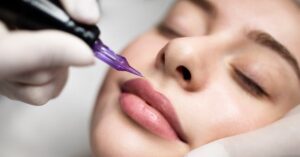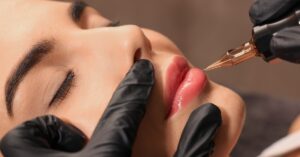
Lip blush can enhance your natural lip color, improve the appearance of your lip shape, and create a more polished look without the daily need for lipstick. While the treatment itself usually takes only a few hours, your lips need considerably more time to heal and reveal their final color. Understanding the lip blush healing stages can help you know what changes to expect and how to care for your lips along the way.
The healing process does not look exactly the same for everyone. Your skin, aftercare routine, lifestyle, and other factors can affect how quickly your lips recover. However, most people experience a similar progression from freshly treated lips to their final, softened results.
What Happens Immediately After a Lip Blush Appointment?
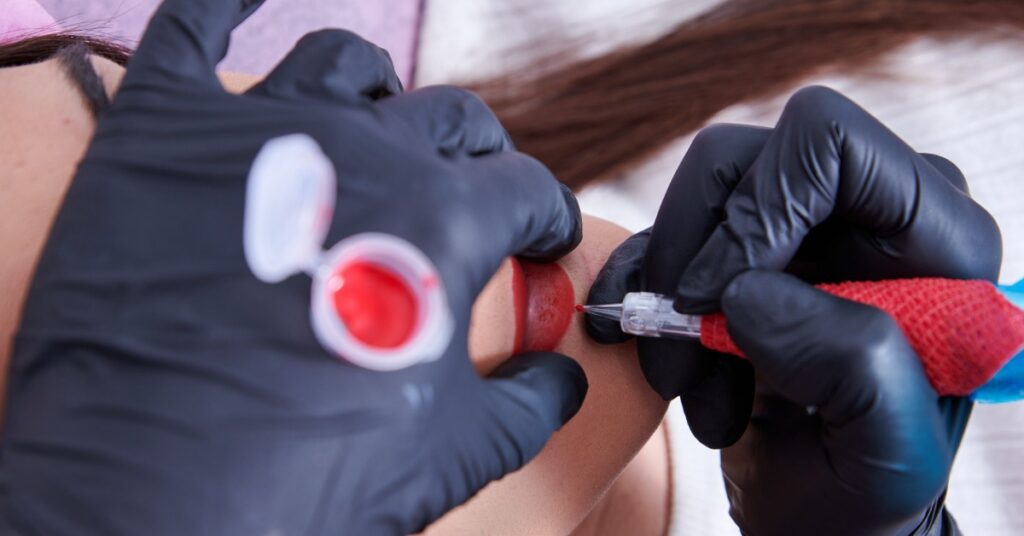
Right after your appointment, your lips will usually look much brighter and more intense than you expected. You may also notice some redness, tenderness, and swelling. These effects occur because the treatment process creates minor trauma in the lip tissue as the artist deposits pigment.
Your initial color does not represent the final result. Fresh pigment can look particularly bold during the first few days. As your lips heal, the color will soften considerably.
Swelling can also make the lips appear fuller or slightly uneven immediately after treatment. As the swelling decreases, your natural lip shape will become more apparent again.
What Should You Expect During the First 24 Hours?
The first 24 hours focus primarily on allowing your lips to begin recovering. They may feel tender, tight, warm, or slightly swollen. Some people experience more swelling than others, especially during the first several hours.
Follow the aftercare instructions your artist provides carefully. Your artist may recommend gently cleaning the area or applying a specific aftercare product. Avoid substituting your own skincare products unless your provider approves them.
You should also resist touching your lips unnecessarily. Keeping the treatment area clean helps support normal healing.
Why Does Lip Blush Look So Dark at First?
Fresh lip blush frequently looks much darker, brighter, or more saturated than the final result. The pigment sits close to the surface during the earliest healing stage, which makes the color appear especially noticeable.
Minor swelling and redness can also influence how you perceive the shade.
Do not judge your results based on these first few days. The color will change considerably as your lips heal. Skilled permanent makeup artists account for this fading when they select and apply pigment, so the initial intensity plays a normal role in the overall process.
What Happens During Days Two and Three?
During the next couple of days, swelling and tenderness should begin to decrease. Your lips may still look brighter than your desired final color, but they often start feeling more comfortable.
You may notice increasing dryness or tightness during this stage. These changes signal that your lips have entered another part of the healing process.
Follow your artist’s instructions even if your lips already feel significantly better. The surface may appear to recover quickly, but healing continues underneath.
When Do Lips Start Flaking?
Many people notice peeling or flaking a few days after treatment. Your lips may feel dry before small pieces of skin begin to shed naturally.
The amount of flaking varies. Some people experience obvious peeling, while others only notice light dryness.
During this stage, avoid pulling, scratching, or picking at loose skin. Removing flakes prematurely can irritate your lips and potentially interfere with pigment retention. Instead, allow the skin to shed on its own.
Your aftercare instructions should explain how to keep your lips comfortable without disrupting the healing process.
How Should You Care for Peeling Lips?
Proper aftercare becomes particularly important once peeling starts. Your artist will provide instructions based on the products and techniques used during your appointment, so follow those recommendations instead of creating your own routine.
In general, you should avoid activities and products that could irritate the healing area. Your instructions may tell you to:
- Avoid picking, scratching, or biting peeling skin.
- Keep unnecessary skincare and cosmetics away from your lips.
- Avoid excessive moisture, sweating, and irritation.
- Apply only the aftercare products your provider recommends.
- Protect your lips from unnecessary sun exposure.
Treat your lips gently even when they start looking more normal. The skin still needs time to recover completely.
Why Does Lip Blush Sometimes Look Too Light After Peeling?
One of the most surprising lip blush healing stages happens after the visible flaking ends. The pigment may suddenly look extremely light or even seem to disappear in certain areas.
This temporary change does not necessarily mean that the pigment failed to stay in your lips.
Fresh skin covers the treated area as your lips continue healing. This new tissue can temporarily make the pigment underneath look muted. Over the following weeks, the color generally becomes easier to see as your lips continue recovering.
Avoid assuming that you need additional pigment immediately. Give your lips enough time to heal before evaluating the results.
When Does Lip Blush Color Start Returning?
After the light or muted stage, you may notice the pigment gradually becoming more visible again. Instead of the intense color you saw immediately after treatment, the shade should appear softer and more natural.
This process happens gradually rather than overnight. You may notice subtle differences from one week to the next.
The exact timing can vary because everyone heals differently. Skin characteristics, pigment choice, aftercare, and individual healing patterns can all influence the process.
How Long Does Lip Blush Take to Fully Heal?
The visible surface of your lips can look healed relatively quickly, but complete healing takes longer. Many people notice substantial improvement within the first couple of weeks, while the pigment continues settling afterward.
You should generally wait several weeks before making firm conclusions about your final color or pigment retention.
Your provider will explain when they want to evaluate your results. Following the recommended timeline gives your skin enough time to recover and provides a much clearer picture of how well the pigment settled.
Why Can Lip Blush Look Uneven During Healing?
Temporary unevenness can occur throughout the healing process. One section may peel earlier than another, or some areas may initially look lighter.
Swelling can also create temporary differences in shape or color immediately after treatment.
These variations often improve as the lips finish healing. Avoid trying to correct uneven areas yourself with exfoliation, picking, or aggressive skincare. Those actions can create additional irritation and interfere with the recovery process.
Wait until your lips have healed before deciding whether any areas actually need additional attention.
When Should You Contact Your Provider?
Some tenderness, swelling, dryness, and peeling commonly occur during lip blush healing. However, you should pay attention to symptoms that seem unusual or worsen instead of improving.
Contact your provider if you have concerns about the appearance or healing of your lips. If you experience severe or worsening symptoms or signs that could indicate an infection or another medical problem, seek appropriate medical care promptly.
You do not need to diagnose a problem yourself. Asking questions early can help you determine the appropriate next step.
When Can You Judge Your Final Lip Blush Results?
Patience plays an important role in evaluating lip blush. The bright color you see immediately after your appointment does not show your final result, and neither does the pale appearance that can occur after peeling.
Wait until your lips complete the healing process and the pigment has had time to settle. At that point, you can evaluate the overall color, shape, and pigment retention much more accurately.